Look for moisture patterns
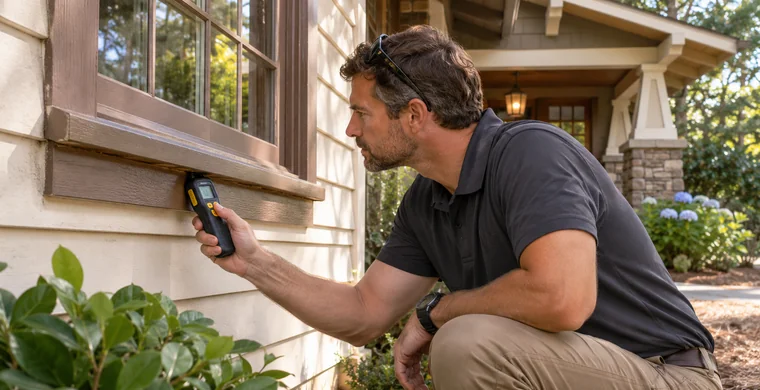
We start with where dampness appears and when it returns. Moisture readings may be included where they can help and the area is accessible.

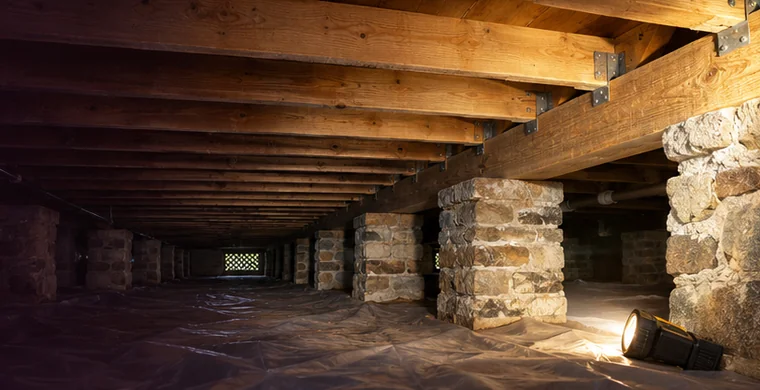
Find out what may be causing dampness to return. We look for clues in accessible areas, explain what the findings point to, and help you decide what to address first.
We explain what’s included in your proposed scope before you schedule.

We start with where dampness appears and when it returns. Moisture readings may be included where they can help and the area is accessible.
We review known leaks, repairs, and staining to help narrow down possible sources and identify areas that need further evaluation.
We confirm which parts of these spaces can be accessed and assess the areas included in your visit.
We share practical next steps based on the findings, which may include drying, ventilation, or dehumidification. We confirm separately which corrective work is available.
Note how quickly the issue appears and whether it affects the same wall, floor, or room each time.
Describe when it tends to happen and what ventilation or dehumidification is already in use.
Let us know where the access is and whether there are any obstructions or prior repairs.
We confirm what’s included and who should receive it when we review your scope.
We consider the pattern you describe, including rain, plumbing use, or seasonal changes.
We explain where observations or readings help and where access limits what can be assessed.
We explain which next steps the findings support and what may need a separate specialist or quote.
Start with the property details so we can discuss availability and what the service would include.
Pricing depends on which spaces need to be assessed, access, and the measurements or follow-up requested. Ask whether equipment installation or repairs require a separate quote.
Share the property ZIP code, the affected areas, access restrictions, and any deadline. Review the proposed scope and available times before confirming an appointment.
Include any relevant findings, access restrictions, and timing requirements.
We explain what’s included, what may need separate work, the proposed fee, and what you’ll receive.
We discuss availability and coordinate the access and reporting details with you.
Use these answers to prepare your request and review the scope.
An assessment can document accessible signs and possible sources. Hidden or intermittent issues may require further investigation.
We explain which corrective work is available for your property and whether installation needs a separate quote.
Share how it is accessed and any restrictions. Confirm the access plan before scheduling.
Readings reflect the accessible location and conditions at the time. Describe what happens during rain or other conditions when the problem appears.
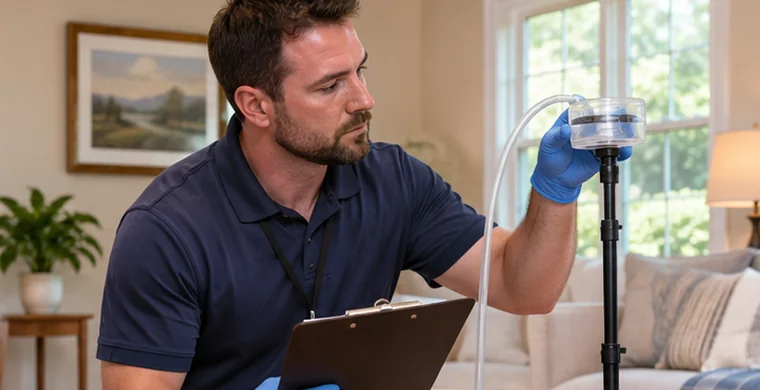
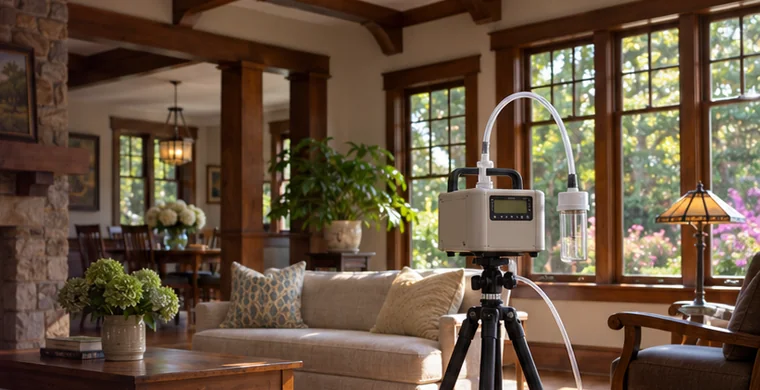
Select both on the request form and explain what you want to learn. Confirm which checks and samples are included in the quote.